
Is your business looking into System and Organization Controls (SOC) for Service Organizations? If you haven’t outsourced any services — like SaaS, cloud hosting, and payment processing—or you only recently launched your business, learning about SOC 2 audits may seem overwhelming.
Considering the importance of information security, especially as businesses increasingly outsource vital and highly specialized tasks, businesses must ensure that they consistently handle data securely. Application and network vulnerabilities leave organizations open to a variety of attacks that include data theft, ransomware, and malware installation. And mishandled data can cost enterprises a pretty penny.
Take a few moments to learn about how SOC 2 audits help you achieve and maintain compliance to protect your organization, clients, employees, and stakeholders.
SOC 2 Componets
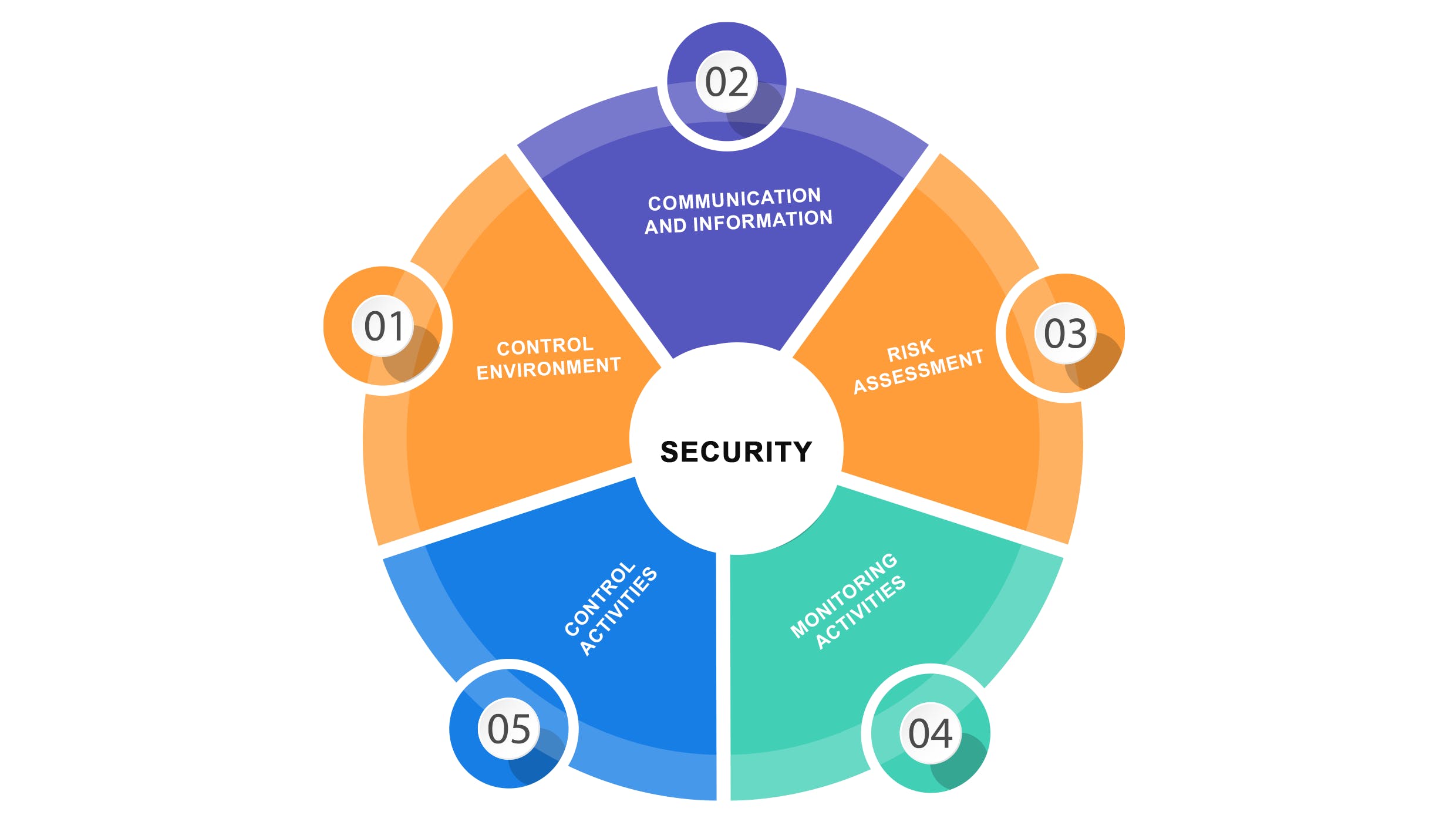
Trust service principles
- Security
- Availability
- Processing integrity
- Confidentiality
- Privacy
Security
Security is the only required principle by the AICPA, so you must pay special attention to the security controls you have in place to protect users’ sensitive information.
Here are some helpful questions to start:
- What are you doing to monitor and prevent intrusions and cyber attacks?
- Do you have specific procedures to handle incidents?
- Are your most important applications updated on a regular basis?
- How do you handle issues and inefficiencies in your systems?
- Do you have any backup and recovery procedures in place?
- Have you tested and documented your security procedures?
- How do you address unauthorized access?
Availability
Availability refers to how accessible your system is for user operations. For example, if you offer payroll management services to large manufacturing companies, you must ensure that your system is available whenever your clients need it.
Some helpful questions may include:
- Are your services available at all times?
- Are your services restricted to some people?
- How do you handle service issues that affect your availability?
Processing integrity
Processing integrity aims to help service users protect the integrity of their information. For example, if you offer a payment gateway service, your system must process customer data quickly, securely, and accurately.
Some helpful questions to ask include:
- Are your processing systems working reliably and consistently?
- Are your processing systems providing timely, accurate data to users?
- How do you handle system failures and issues?
- Do you have specific procedures in place to correct errors quickly?
Confidentiality
If you’re handling confidential information about your clients or helping clients manage their users’ sensitive information, you must comply with the confidentiality principle.
Some helpful questions include:
- How are you handling and processing confidential data?
- Is data protected and classified all the time?
- Do you have strict permission levels in place to avoid unauthorized access?
Privacy
Finally, privacy refers to the protection and anonymity of user information. That is, the procedures and policies you have in place to collect, process, and use personal information.
These policies must meet the criteria established by the Generally Accepted Privacy Principles (GAPP).
Here are some helpful questions:
- Have you tested and documented a clear data retention policy?
- How do you process and classify personal data?
- Are you storing personal information? If so, where are you storing it, and how?
- How are you protecting users’ personal data?
- Are you GAPP compliant?
Whats it all mean?
SOC 2 reports will help your customers understand the controls you have in place to protect their valuable information. By showing them that you care, you’ll be able to build long-lasting relationships.
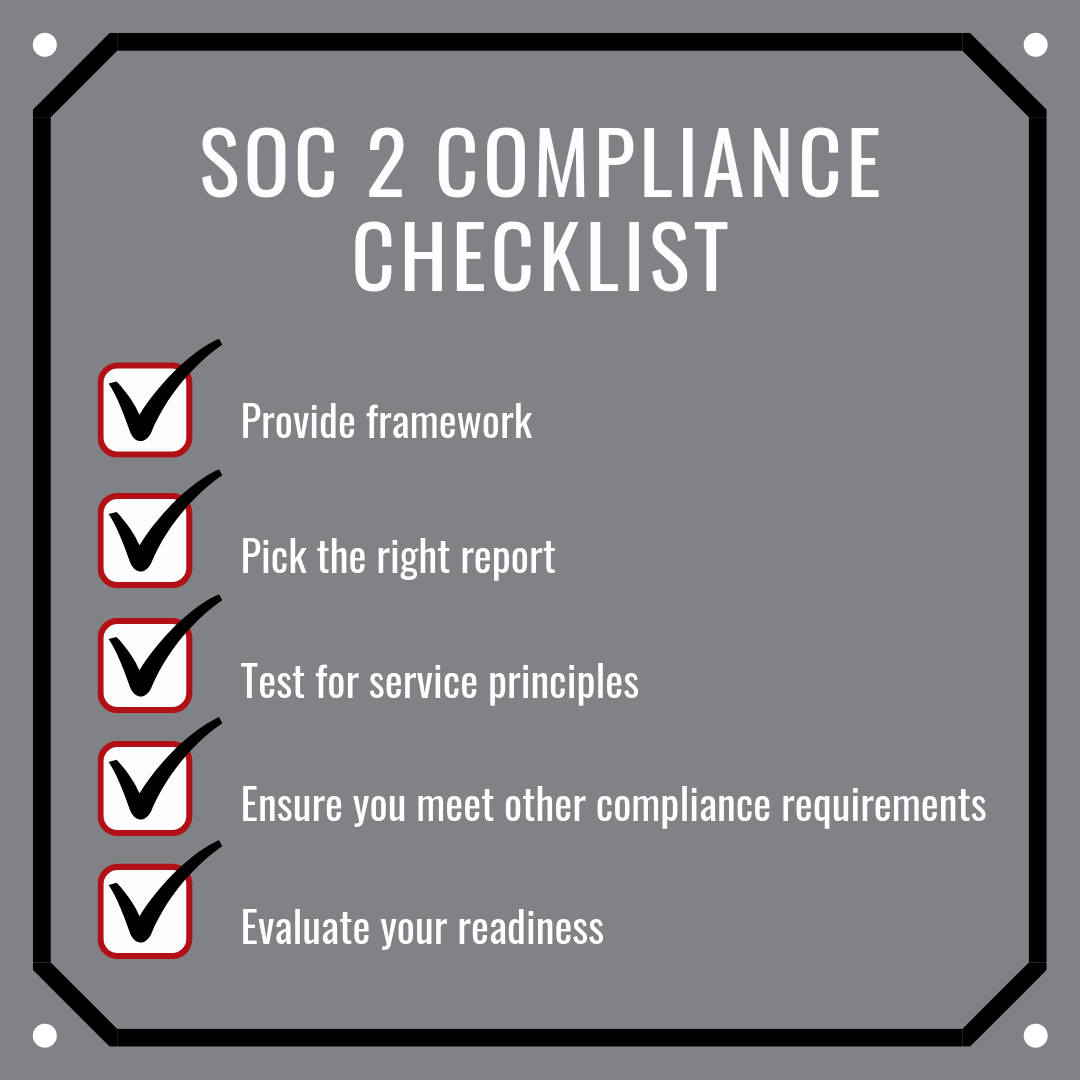
Hopefully, you now have enough information to prepare for your SOC 2 audit.
If you’re looking for a platform that helps you streamline security compliance, MJA Technical Consulting can help.